
A successful solidarity visit between the Black community and the Atikamekw Nation of Manawan
A successful solidarity visit between the Black community and the Atikamekw Nation of Manawan
Gathered around a powwow, the two communities pledge to fight together against discrimination
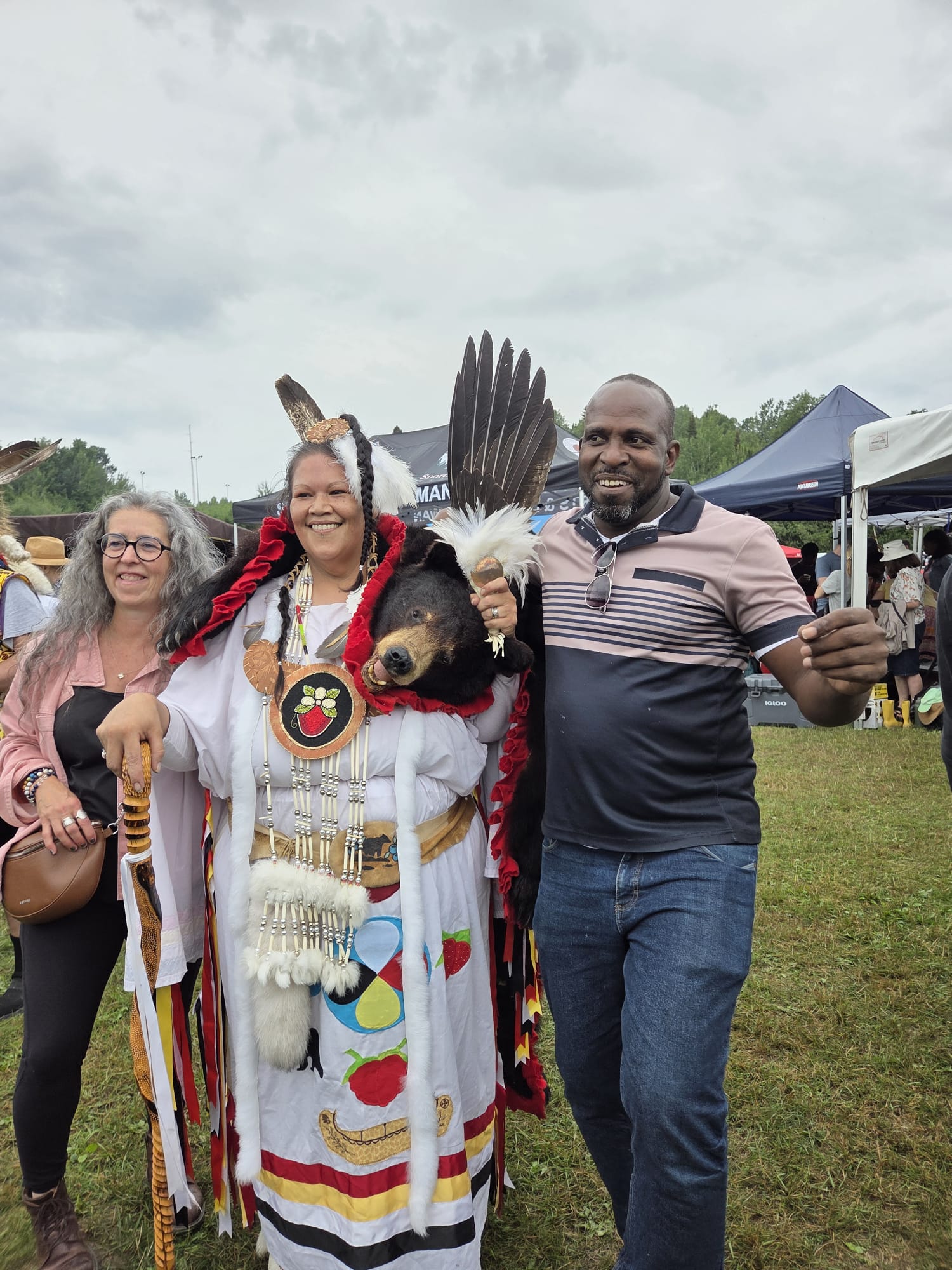
MANAWAN, August 1, 2026 – The solidarity day organized by the LAKAY organization of Repentigny in the Atikamekw community of Manawan was a great success. This Saturday, August 1st, a delegation from the Black community of Lanaudière was warmly welcomed to Nitaskinan, the ancestral territory of the Atikamekw Nehirowisiw Nation, for a day dedicated to sharing and friendship.
A highlight of the visit was when most members of the delegation participated in a powwow alongside the First Nation. To the beat of drums, surrounded by dancers dressed in their finest traditional attire—bell dresses, feathered headdresses, and beaded jewelry—the visitors discovered the richness and vitality of Atikamekw culture. It was a moment of shared emotion and pride.
Beyond the festivities, the day provided an opportunity for profound exchanges. The two communities discussed the need to work together against the discrimination they both experience. From these conversations emerged a shared realization: their struggles converge, and unity is strength.
«This day will remain etched in our hearts. We came as guests and we leave as friends. Our two communities know discrimination and racism; by uniting our voices, we are stronger to fight them and make our dignity heard,» said Pierre Richard Thomas, director of LAKAY.
For LAKAY, which works to promote the inclusion of immigrant and racialized communities in Lanaudière, this visit marks the beginning of a lasting relationship, based on mutual respect and future joint projects: cultural exchanges, youth activities and joint public speaking engagements.
The organization warmly thanks the Manawan community for its generous welcome and looks forward to continuing together on this beautiful path of friendship and solidarity.

A surge of solidarity between the Black community and the Atikamekw Nation of Manawan
Two communities extend a hand on August 1st, united by respect and a shared experience of discrimination.
REPENTIGNY, July 31, 2026 – Under the banner of respect and reconciliation, a delegation of 150 people from the community organization LAKAY, based in Repentigny, will travel tomorrow, August 1st, to the Atikamekw community of Manawan, on Nitaskinan, the ancestral territory of the Atikamekw Nehirowisiw Nation. A day of exchanges focused on solidarity between peoples.
This visit will bring together two communities that, each in their own way, carry a history marked by racism and discrimination. Black communities and First Nations still face prejudice, inequality, and discrimination on a daily basis. profiling – in employment, in public services, and in public spaces. It is partly from this shared experience that the desire to reach out to one another arises. «We come with an outstretched hand, to learn as much as to share. What unites us is stronger than what divides us,» affirms Pierre Richard Thomas, CEO of LAKAY.
The day will begin with a conference on Haiti's pre-Columbian history, followed by a convivial dinner featuring Haitian flavors—griot, pikliz, and rice—and the warmth of Atikamekw hospitality. In the afternoon, a drumming workshop will captivate young and old alike with the rhythm of the drums, symbols of cultures passed down and celebrated.
A highlight of this meeting: LAKAY will propose to the Atikamekw Council of Manawan the signing of a memorandum of understanding for friendship and collaboration. Based on mutual respect, reciprocity, and consent, this document aims to lay the foundations for a lasting relationship: cultural exchanges, youth twinning, mentoring activities, and joint advocacy against racism.
«This initiative goes beyond a single day. We want to start a journey that our two communities can travel together over the long term,» Mr. Thomas emphasizes.
For LAKAY, which has been working for years to promote the inclusion of immigrant and racialized communities in Lanaudière, this rapprochement is part of a broader vision: that of a region where people recognize, respect and support each other in the face of injustice.
– 30 –
Five years after the death of Jean-René Junior Olivier: what has changed, what hasn't changed
On August 1, 2021, Jean-René Junior Olivier, a 38-year-old Black man, died in Repentigny during an intervention by the Repentigny police service. That morning, it was his mother, Marie-Mireille Bence, who had called 911. Her son was experiencing a severe episode of psychological distress. She was asking for help. Four years later, her words still resonate: «I called for help, and they killed my son.» On this sad anniversary, it is worth taking stock, honestly. What has changed since then? And more importantly, what hasn't changed?
Summary of the facts
Shortly after 7:30 a.m., police were dispatched to the family residence on Niagara Street for a report of a person in crisis armed with a knife. According to the official summary of the intervention, officers attempted to speak with Mr. Olivier for approximately 15 minutes and used pepper spray, but were unable to de-escalate the situation. When the man moved toward them, two officers opened fire. Resuscitation efforts were unsuccessful. Jean-René Junior Olivier died.
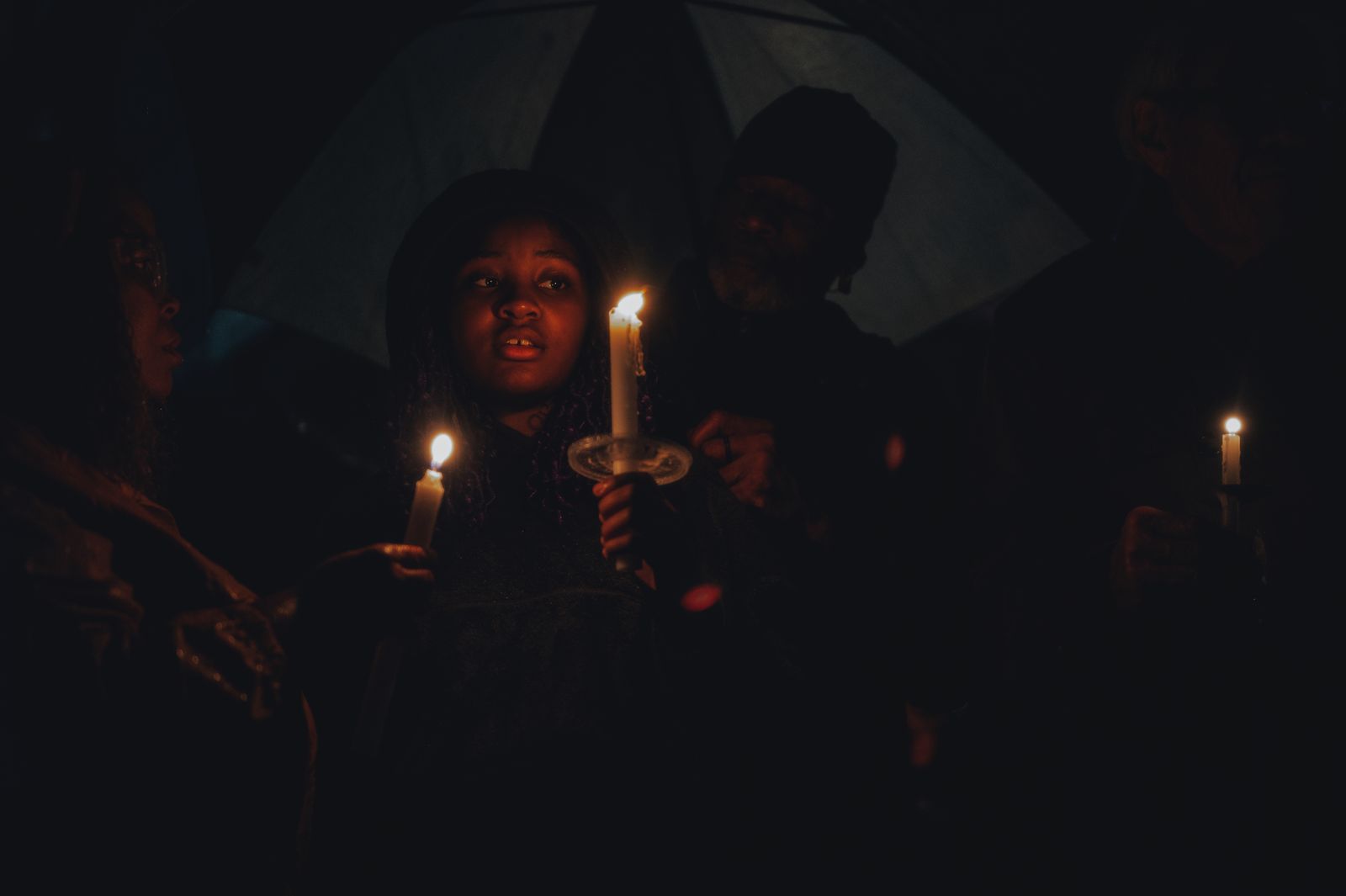
His death sent shockwaves through the community. In the days that followed, hundreds of people gathered for vigils and sit-ins in front of Repentigny City Hall. For the city's Black community, this tragedy was not an isolated event: it was the culmination of years of tension and complaints of racial profiling against the police service.
What has changed
Public recognition, at least in words. Under pressure, the City acknowledged the existence of a problem. A commissioned report had revealed that Black people were approximately three times more likely to be stopped by local police. Department leadership admitted that these figures were difficult to accept, and a multi-year action plan was adopted, including measures such as more inclusive recruitment and training for patrol officers.
A coroner's report. The coroner's inquest into Mr. Olivier's death recommended that the police service acquire so-called intermediate weapons — less lethal — and train its officers in their use, in order to offer an option between pepper spray and firearms when intervening with people in crisis.
A national conversation. The name of Jean-René Junior Olivier has been added to those that have fueled a fundamental debate in Quebec on police interventions in mental health contexts and on racial profiling. This debate has focused in particular on unjustified traffic stops, the constitutional validity of which is currently being examined by the Supreme Court of Canada.
What hasn't changed
And yet, from the point of view of the family and the community, the essentials remained intact.
No one has been held responsible. In February 2023, the Director of Criminal and Penal Prosecutions announced that no charges would be laid against the police officers, concluding that they had reasonable grounds to believe that the use of their weapons was necessary for their protection. The identities of the officers involved were never made public. For Mr. Olivier's mother, the lack of justice was a second loss.
The family is still fighting. Marie-Mireille Bence filed a civil lawsuit for over $429,000 against the City of Repentigny, accusing the police service of an aggressive operation against a vulnerable Black person who needed care, not a confrontation. This legal battle continues, years after the events.
Complaints about profiling continue. The tragedy did not put an end to problematic police stops. During this period, the Human Rights Tribunal again recognized cases of racial profiling targeting the Repentigny police service. On the ground, Black citizens continue to express the same concerns as before 2021.
No second independent study. This is one of LAKAY's central criticisms. On the eve of the fourth anniversary of Mr. Olivier's death, the organization again called on the City to commission a second independent study on racial profiling without delay. The first study was conducted in 2021; since then, no independent evaluation has been carried out to assess whether the announced actions had produced any real results. Without data, how can anyone claim that the situation has improved?
A death that didn't come out of nowhere.
To understand why the Black community of Repentigny reacted so strongly, this tragedy must be placed in its context. The death of Jean-René Junior Olivier did not occur out of the blue: it came after years of complaints, court decisions, and damning testimonies concerning racial profiling by the local police service. Teachers, fathers, even children had already been stopped, searched, or suspected without valid reason. LAKAY had documented this accumulation in its report, "Municipal Inaction Regarding Racial Profiling in Repentigny from 2017 to 2021" (see our reference page on the report).
This explains the dual interpretation of the tragedy. For the authorities, it was a tragic but legal intervention involving an armed individual in crisis. For the community, it was the predictable culmination of a damaged relationship between the police and a population they perceived as inherently suspect. These two interpretations are not entirely mutually exclusive: one can acknowledge the real difficulty of the intervention and simultaneously assert that a better-designed system—with genuine mental health crisis teams and without profiling—could have led to a different outcome.
A mixed assessment
Four years later, the assessment reveals an uncomfortable tension: there have been words, plans, and reports, but little evidence of measurable change. An action plan is only as good as its results. Recommendations are only valuable if they are implemented. And a community's trust is not rebuilt through press releases, but through verifiable actions.
LAKAY continues to make two clear demands: a second independent study to honestly measure the evolution of racial profiling in Repentigny, and an end to unjustified traffic stops, recognized by the courts as a gateway to profiling. As long as these demands remain unanswered, the question posed by Jean-René Junior Olivier's mother will also remain unanswered.
Remember, and act
Remembering Jean-René Junior Olivier is not just about honoring his memory. It's about refusing to let his death become just another statistic. If you or someone you know has experienced racial profiling, or if you wish to support the community's efforts, you are not alone.
LAKAY
818 Notre-Dame Street, Suite 202, Repentigny, Quebec
Telephone: 514 532-0484
Website: lakaymedia.org
Facebook: facebook.com/lakayrepentigny
Request our rights support service.
The police stopped me: what am I allowed to do?
Short answer: You have the right to remain silent at all times. The only time you are required to provide identification (name, address, date of birth) is if you are under arrest, in custody, if you receive a traffic ticket, or if you are driving a vehicle. You also have the right to know why the police are intervening, the right to speak to a lawyer if you are detained or arrested, and the right to film the intervention while maintaining a safe distance. The rest of this guide explains how to recognize each situation and how to react calmly to protect your rights.
Three different situations, three sets of rights
In Quebec, a police intervention doesn't always mean the same thing. It's important to know your situation, because your obligations change.
1. The street check. This is when a police officer approaches you on the street to ask questions, even though you are not suspected of any specific offense. Legally, this isn't really a form of police stop: the officer has no legal authority to force you to answer. You can refuse to say where you're going, where you're coming from, what you're doing, or who you're with. You can also ask, "Am I free to leave?" If the answer is yes, you can leave. Important: In Quebec, a police officer is not obligated to inform you that you have the right to withhold identification and leave the area. It's up to you to know this.
2. The road interception. This is when a police officer asks a driver to stop their vehicle. If you are driving, you must provide your driver's license, proof of insurance, and vehicle registration. You must also identify yourself. Passengers, however, are not in the same situation as a driver: they retain the right to remain silent, unless they themselves are detained or arrested.
3. Detention and arrest. You are in custody if the police intervene and you are no longer free to leave, even without being formally arrested. You are under arrest if the police believe you have committed an offense—and in that case, they must tell you clearly. These are the situations in which you have the most rights, described below.
What is the current legal status of "unjustified" wiretaps?
A word on a current issue, because many people are hearing about it. Article 636 of the Highway Safety Code allowed police officers to stop any motorist without cause. In 2022, the Quebec Superior Court ruled that this power facilitated racial profiling of Black drivers and violated the Canadian Charter of Rights and Freedoms. The Court of Appeal upheld this decision in 2024.
The Quebec government took the case to the Supreme Court of Canada, which agreed to hear it in May 2025. Pending the final judgment, a partial suspension is in effect: Police officers can still conduct random stops, but only to check for sobriety while driving (alcohol, drugs) and for checks on the transport of people and goods. In other words, the debate is not over. What remains unchanged, regardless of the outcome, is that your fundamental rights during a police intervention remain the same, and racial profiling remains prohibited.
The steps: how to react, in order
-
Stay calm and keep your hands visible. The first minute sets the tone. Avoid sudden movements, especially at night or in a vehicle. This isn't about submission, but about safety to prevent the situation from escalating.
-
Ask what situation you are in. Simply ask the questions: "Am I under arrest or detained?" and "Am I free to leave?" The answer determines your obligations. If you are free to leave and are not suspected of anything, you can politely end the exchange.
-
Identify yourself only if required by law. You must provide your name, address, and date of birth in four cases: arrest, detention, issuance of a traffic ticket, or while driving a vehicle. Otherwise, providing identification remains your choice.
-
Exercise your right to remain silent. You don't have to explain yourself, justify yourself, or answer questions about your whereabouts. You can say, "I will remain silent" and "I want to speak to a lawyer." This is not an admission of guilt; it is a right protected by the Charter.
-
If you are detained or arrested, seek legal counsel immediately. This is a fundamental right. The police must allow you to speak with a lawyer and explain to you, in clear language, why you are being detained or arrested. You can access free legal aid if you are eligible.
-
Take notes and document them. Ask for the police officers' names or badge numbers (they are not obligated to provide this, but it is helpful). You have the right to film or record the intervention, provided you maintain a sufficient distance so as not to interfere with the police work—otherwise, you could be accused of obstruction.
-
After the procedure, write everything down. As soon as possible, note down the date, time, location, patrol car number, descriptions of the officers, what was said and done, and the names of any witnesses. This written record will be invaluable if you decide to file a complaint.
Deadlines and documents to keep
- At the time: Have your license, registration, and proof of insurance readily available if you are driving.
- After : Keep all tickets, documents given by the police, your personal notes, videos or photos, and contact information for witnesses.
- To file a complaint regarding police ethics: you have one year You can file your complaint from the date of the incident (or the moment you learn of the misconduct). See our guide "Filing a Complaint Against a Police Officer in Quebec".
- To file a racial profiling complaint with the Human Rights Commission: you have three years from the incident. See our guide on the CDPDJ.
- To contest a traffic violation notice: The deadline is usually indicated on the report itself. Don't miss it.
What not to do
- Do not lie and do not give a false identity. Keeping silent is a right; lying can become an offense.
- Do not resist physically, even if you believe the intervention is unjust. The right time to contest the incident is afterward, through a complaint or in court—not on the spot. Resisting arrest could lead to further charges.
- Do not consent to a search simply out of reflex. The police can search you in certain situations, even without arresting you. But you are not obligated to consent to a search that is not justified. You can calmly say, "I do not consent to this search." Do not physically obstruct the officer.
- Don't argue your case on the side of the road. Don't try to argue the law or convince the police officer that he's wrong. Instead, note what happens.
- Do not delete your recordings. Your videos can become your best evidence.
- Don't stay alone with a feeling of injustice. If you believe you have been targeted because of your origin or skin color, it's not "all in your head" — racial profiling is recognized by Quebec courts. Talk about it and seek support.
LAKAY can assist you
You don't have to go through this alone. LAKAY offers free and confidential support to immigrants and racialized people in Repentigny and the Lanaudière region. We can help you document what happened, understand your legal options, and, if you wish, prepare a complaint or connect you with the appropriate legal resources.
LAKAY
818 Notre-Dame Street, Suite 202, Repentigny, Quebec
Telephone: 514 532-0484
Website: lakaymedia.org
Facebook: facebook.com/lakayrepentigny
For support in an interception or profiling case, contact us and ask for our rights support service.
This guide provides general information on the law in force in Quebec. It does not replace legal advice tailored to your specific situation. For advice on a specific case, consult a lawyer or contact LAKAY, who can guide you.
LAKAY CALLS FOR A PUBLIC INQUIRY INTO RACISM WITHIN SEVERAL POLICE FORCES
Repentigny, June 15, 2026 – In light of recent revelations concerning the dismantling of a team of police officers from the Montreal Police Service (SPVM) following allegations of racist and discriminatory behaviour, LAKAY is calling for an independent public inquiry into the extent of racism within several police forces in Quebec, including the police forces of Repentigny, Terrebonne and Mascouche.
These revelations raise serious concerns about the organizational culture of certain police institutions. For LAKAY, this is not an isolated incident, but a symptom of a deeper problem denounced for many years by Black, Indigenous, Arab, and racialized communities.
«Unfortunately, we are not surprised by this situation. For years, citizens have been reporting experiences of racial profiling, discrimination and unfair treatment. Too often, their voices have been ignored or minimized,» says Pierre Richard Thomas, director of LAKAY.
The organization believes that internal investigations and disciplinary measures, while important, are no longer sufficient to restore public trust. An independent public inquiry would help document the extent of the problem, hear from victims, identify systemic causes, and formulate concrete recommendations to prevent such behavior.
LAKAY calls on the Quebec government to act with transparency and courage to ensure that all citizens can benefit from fair, equitable treatment that respects their fundamental rights.
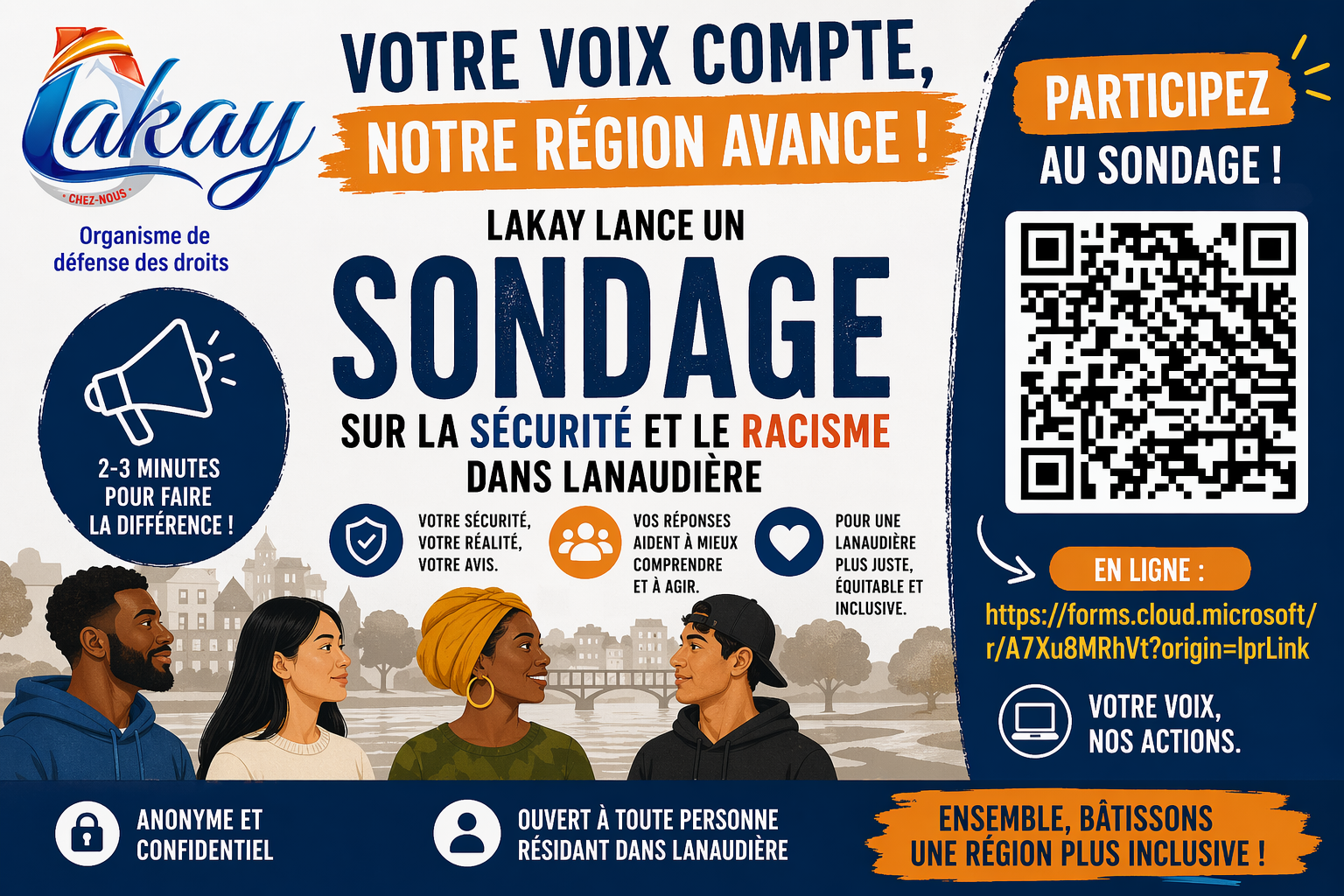
Lanaudière: LAKAY launches a survey on safety and racism in the region
In a context where security and racism issues continue to raise concerns within our communities, the LAKAY organization is launching a regional survey today to give a voice to the people of Lanaudière.
Organization committed to the defense of rights Through its work supporting communities, LAKAY aims to better understand the realities faced by citizens in their daily lives. This survey seeks to gather concrete data on feelings of safety, as well as experiences related to racism in various settings, including schools, workplaces, streets, and public spaces.
Why is this survey important?
Because behind the statistics lie lived experiences, stories, and realities that need to be heard. Too often, certain situations remain invisible or underestimated. By documenting these experiences, LAKAY aims to paint an accurate picture of the situation in Lanaudière and highlight the issues that require urgent attention.
The results of this survey will not only allow us to raising awareness among the public and decision-makers, but also to formulate concrete recommendations for institutions, municipalities and community partners. It is an essential tool for guiding structuring actions and contributing to building a more inclusive, safe and equitable region for all.
Whether you have experienced discrimination or not, Your participation is essential. Every response counts and helps strengthen the impact of this collective effort. The survey is completely confidential and only takes a few minutes to complete.
LAKAY reminds us that the fight against racism and the promotion of safety are collective responsibilities. By participating in this survey, you are directly contributing to advancing discussions and supporting concrete actions to improve the quality of life in our region.
👉 Take part in the survey now and make your voice heard.
Together, let's make Lanaudière a place where everyone can feel safe and respected.
https://forms.cloud.microsoft/r/A7Xu8MRhVt?origin=lprLink
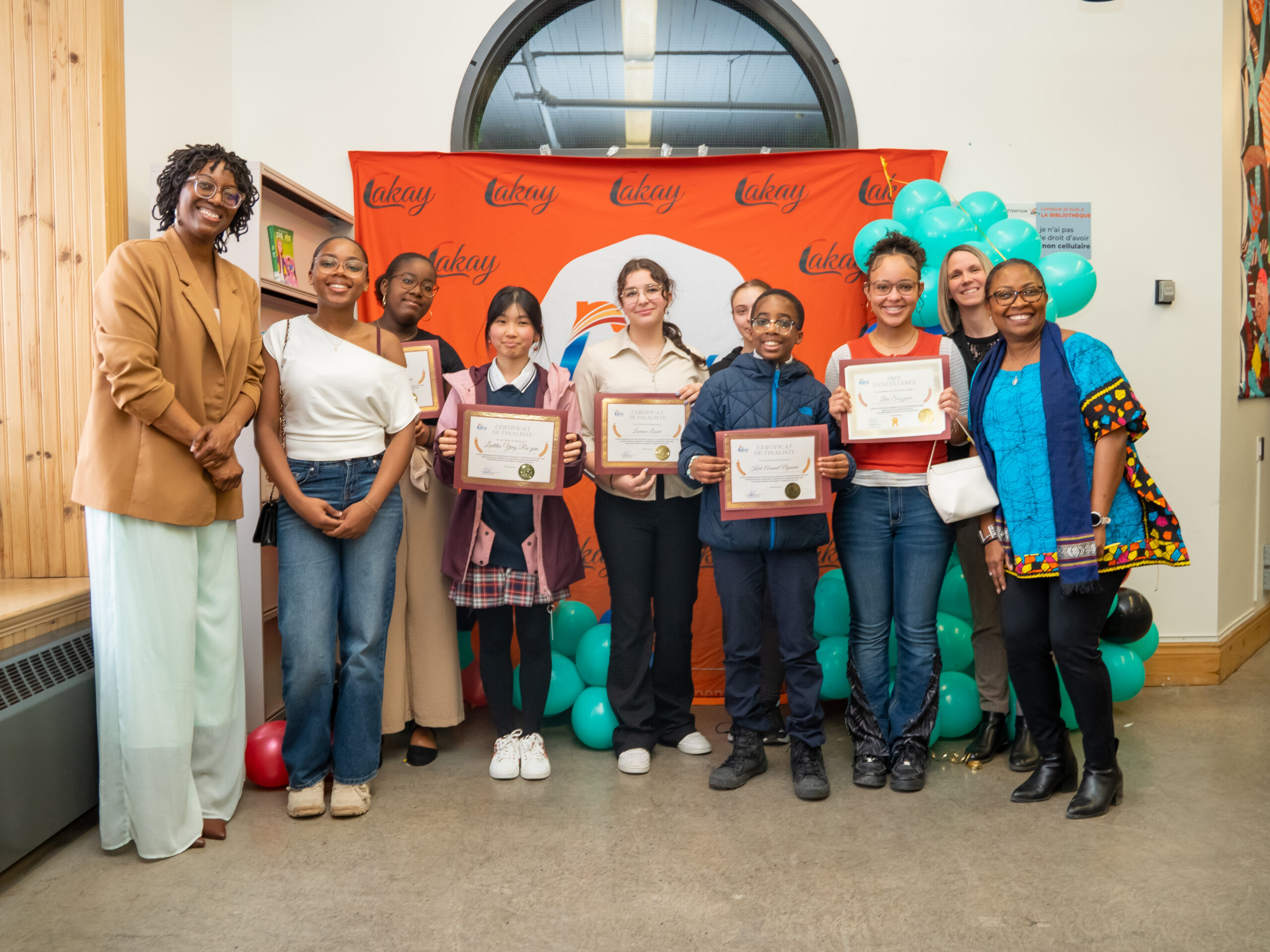
The 4th edition of the "My Pen Against Racism and Racial Profiling" competition was a resounding success at Collège de l'Assomption.
The Assumption, March 28, 2026 – The awards ceremony for the 4th edition of the competition My pen against racism and racial profiling took place successfully this Saturday, March 28, 2026 at Collège de l'Assomption, in the presence of more than 100 people who came to celebrate the commitment and talent of the youth.
Organized in an atmosphere that was both solemn and warm, the ceremony brought together students, parents, school staff, elected officials, and several guests from the community. In total, 30 finalists from 16 schools in the greater Montreal area were honored as part of this event, which highlights the voices of young people on the realities of racism and racial profiling.
This competition, supported by LAKAY, For the past four years, this initiative has offered secondary school students a space for expression, allowing them to reflect, denounce injustice, and raise awareness through writing. Through their texts, these young people contribute to fostering essential reflection on justice, inclusion, and living together.
THE Jury's Choice Award has been awarded to Lilyanna Gagnon, of Esther-Blondin College, for his text Between two shores, my voice breaks the silence.
In the category of first cycle of secondary school, THE first prize was handed over to Lila Scozzaro, of Saint-Sacrement College, for his poem I have a dream. THE second prize was awarded Fleur Sanchez, of the’Robert-Gravel Secondary School, for his text You, the intruder.
In the category of second cycle of secondary school, THE first prize has been awarded to Anaïs Hanout, of Mount Royal College, for his text When light learns to speak. THE second prize returned to Marie Kéranne N'Guessan, of the’Étoile-du-Nord School, for his text The color of my dream.
On the English-speaking side, the first prize was handed over to Hafsa Bam Hamed, of the’Jacques-Rousseau Secondary School, for his text A Fight for Humanity. THE second prize has been awarded to Coralie Elisabeth Antoine, of Collège de l'Assomption, For That One Joke.
It is important to emphasize that this ceremony is part of the Week of Action Against Racism, which has been held annually in Quebec for over 20 years. Through this initiative, LAKAY reaffirms the importance of amplifying the voices of young people and recognizing their role in the fight against racism and racial profiling.
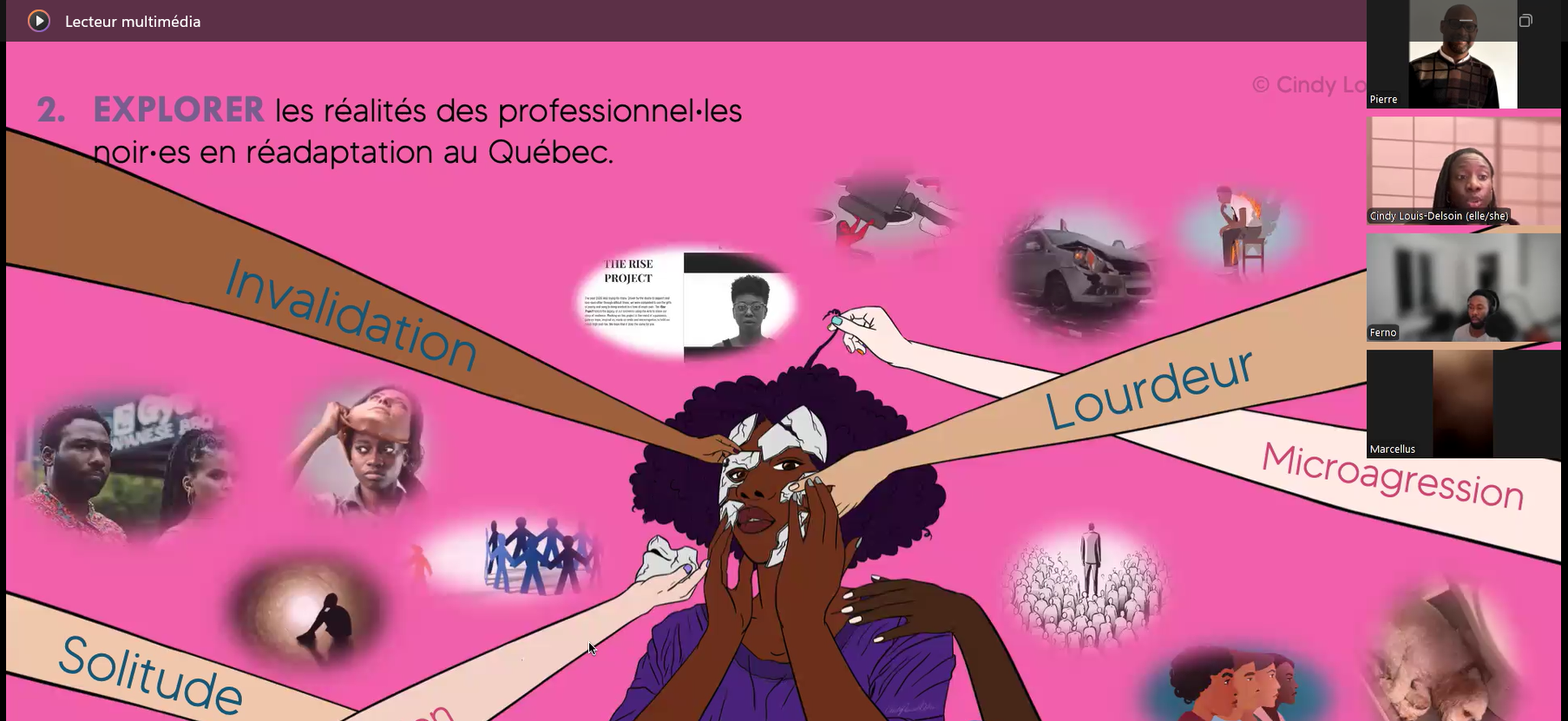
Better understanding the injustices experienced by Black rehabilitation professionals: Cindy Louis-Delsoin's conference presented by LAKAY
On Friday, February 27, 2026, as part of Black History Month, LAKAY presented a lecture by Cindy Louis-Delsoin (Occupational Therapist, MSc, PhD) entitled "Better Understanding the Injustices Experienced by Black Rehabilitation Professionals." Through a structured and accessible presentation, the speaker offered concrete guidance to help healthcare professionals—and rehabilitation professionals in particular—better identify, acknowledge, and address the realities they encounter on the ground.
From the outset, Cindy Louis-Delsoin invited participants to distinguish between “injustice” and “discrimination,” demonstrating that injustice is not limited to an intentional act. She explained that some injustices are linked to power imbalances, violations of rights, and multifactorial mechanisms that produce inequalities. To illustrate this nuance, she used the example of waiting lists: the same system can generate inequitable effects, even when no one explicitly “targets” a particular group.
The conference then placed these issues in a broader perspective, noting that anti-Black racism has a well-documented history in the health professions. Cindy Louis-Delsoin presented literature demonstrating that, despite progress, access, recognition, and advancement for Black people have long been hampered in Canada, leaving lasting marks on institutional cultures and contemporary practices.
At the heart of the meeting, the speaker shared insights gained from her ongoing doctoral research in rehabilitation, which explores the realities of Black rehabilitation professionals in Quebec. She proposed a three-dimensional framework: racial, epistemic, and systemic injustices. Within this framework, she identified experiences frequently reported and acknowledged in the workplace: loneliness (feeling isolated), burdens (being constantly on guard, carrying a “racial burden”), and invalidation (nonchalance or minimization by colleagues). Regarding discrimination, she distinguished between microaggressions (derogatory stereotypes, clumsy gestures, intrusive curiosity) and macroaggressions, such as increased surveillance and pressure to assimilate.
Finally, Cindy Louis-Delsoin emphasized the importance of moving from observation to action. She proposed Afro-emancipatory initiatives to address the challenges: networking, associations, awareness campaigns, youth projects, podcasts, organizational policies—not forgetting the space needed for “Black joy,” as a force for resilience and rebuilding. The conference concluded with a clear call to action: to multiply reflections, but above all to commit to measurable, sustainable actions co-created with the people directly affected.
As a reminder, this conference was organized by LAKAY as part of Black History Month in Lanaudière, a regional program that highlights the heritage, contributions and contemporary realities of Black communities, while opening spaces for dialogue and transformation.