

Six years after Joyce Echaquan's death, LAKAY denounces systemic racism and reaffirms its solidarity with First Nations.
PRESS RELEASE — FOR IMMEDIATE RELEASE
September 28: Anniversary of Joyce Echaquan's death • September 30: National Day of Truth and Reconciliation
Repentigny, September 28, 2026 — On this sixth anniversary of Joyce Echaquan’s death and as we approach National Truth and Reconciliation Day, LAKAY bows before the memory of this Atikamekw mother from Manawan and joins its voice to those of the First Nations to demand, once again, that the systemic racism of which Indigenous peoples are victims in Quebec cease.
On September 28, 2020, Joyce Echaquan, 37, a mother of seven, died at the Joliette Hospital, right here in Lanaudière, after live-streaming the racist insults hurled at her by the staff caring for her. In her 2021 report, coroner Géhane Kamel concluded that the racism and prejudice experienced by Ms. Echaquan contributed to her death. Joyce was not the victim of a simple individual lapse in judgment; she was a victim of a system that, for far too long, has treated Indigenous people as second-class citizens.
«Joyce had the courage to show the world what so many others experience in silence. Six years later, refusing to name systemic racism is refusing to fight it. We say it clearly: systemic racism exists, it hurts and it kills,» says Pierre Richard Thomas, director of LAKAY.
Joyce's Principle: A Duty to Act
Developed by the Atikamekw Council of Manawan and the Atikamekw Nation Council, Joyce's Principle aims to guarantee all Indigenous people equitable and non-discriminatory access to social and health services. Several professional orders and institutions have adopted it, but the Quebec government has still not endorsed it, notably because one of its foundations is the recognition of systemic racism. With the general election just days away on October 5, LAKAY is asking:
- to the Quebec government and all political parties to recognize the existence of systemic racism and to commit to adopting and applying the Joyce Principle; ;
- to the health and social services network, particularly in Lanaudière, to offer mandatory training in cultural safety designed with First Nations; ;
- to governments to fully implement the Calls to Action of the Truth and Reconciliation Commission of Canada and the recommendations of the Viens Commission.
- to all political parties to commit to conducting a public inquiry into racial profiling within certain police services in Quebec, including Montreal and Repentigny.
National Day of Truth and Reconciliation
September 30th, National Truth and Reconciliation Day honours missing and deceased children and survivors of residential schools, as well as their families and communities. For LAKAY, reconciliation cannot be limited to commemorations: it requires truth about the injustices of yesterday and today, and concrete actions.
It is in this spirit that LAKAY accompanied, on the 1ster Last August, a delegation of approximately 150 members of the Black community visited Manawan for a day of cultural exchange with the Atikamekw Nation. This meeting confirmed what our communities already know: Black communities and First Nations share the experience of profiling, discrimination, and barriers to accessing services. Our struggles are intertwined, and so is our solidarity.
LAKAY invites the residents of Repentigny and Lanaudière to wear orange shirts on September 30, to participate in the commemorative activities organized by First Nations, and to learn about Joyce's Principle. Our thoughts are with Joyce Echaquan's family, her children, and the entire community of Manawan.
-30-
Also read: A successful solidarity visit between the Black community and the Atikamekw Nation of Manawan.
About LAKAY
LAKAY (Chez Nous Média 2007) is a non-profit organization in Repentigny that defends and promotes the rights and interests of members of cultural communities, particularly in the Lanaudière region, by raising their awareness of issues related to access to services, safety, socioeconomic conditions, and representation. The organization fosters inclusion, tolerance, and intercultural understanding through inclusive activities and programs.

A look back at LAKAY's report on racial profiling in Repentigny (2017-2021)
In October 2021, LAKAY published, with the support of the Profiling Observatory (ODP), a report entitled «"Municipal inaction in the face of racial profiling in Repentigny from 2017 to 2021"». This document compiles and contextualizes a series of racial profiling incidents that occurred in Repentigny, as well as the actions taken by Black communities to denounce them. This article presents the report, its objective, its findings, and how to access it. (For the complete reference sheet, see our page Report: Municipal inaction in the face of racial profiling in Repentigny (2017-2021).)
Why this report?
Racial profiling is not a collection of isolated "misunderstandings." It is a pattern. The LAKAY report stemmed from a simple observation: in Repentigny, testimonies from Black people who were stopped, searched, or suspected without valid reason had been multiplying for years, several even being recognized by the courts—while the City and its police service were slow to acknowledge the problem and take action. The report gives this pattern a documented form, a chronology, and a collective memory.
Published in the context of a municipal election, the document also sought to draw the attention of authorities and the public to an issue that directly affects the quality of life and safety of citizens from diverse backgrounds. Its title summarizes its central thesis: the problem was not only the existence of profiling, but inertia municipal and police authorities are facing overwhelming evidence.
What the report documents
Using a historical framework covering the years 2017 to 2021, the report retraces high-profile cases of racial profiling and the subsequent actions—complaints, court decisions, and citizen mobilizations. Among the cases that marked this period in Repentigny are:
- François Ducas, A black teacher was stopped while driving his car; the Human Rights Tribunal subsequently recognized that he had been the victim of racial profiling by the police service and ordered the City and female police officers to pay him compensation.
- Leslie Blot, arrested in front of his home while inflating inflatable games for children during a family gathering; his case was part of several favorable decisions obtained before the Commission des droits de la personne et des droits de la jeunesse (CDPDJ).
- Hèzu Kponwbié, stopped in a park, accused then acquitted, after picking up an object that had fallen on the ground.
- Older cases remain in the community's memory, such as that of two black children handcuffed and searched while playing in a park.
The report also recalls a striking fact: a 2021 study revealed that Black people had approximately three times more likely to be arrested by the Repentigny police than other citizens. As LAKAY points out, these publicized testimonies represent only the tip of the iceberg: research shows how hesitant people who are victims of profiling are to talk about it and denounce what they are experiencing.
The core issue: inertia
Beyond individual cases, the report documents the response—or lack thereof—of the authorities. It recalls, for example, that in 2018, while the media were reporting numerous accounts of profiling, the City and its police department held a press conference on cultural integration without directly addressing the issue of racial profiling, and announced a reconciliation plan whose real scope LAKAY questioned. The report also highlights the City's recurring difficulty in acknowledging decisions rendered in favor of citizens who were victims of profiling. It is this gap between established facts and concrete action that the word "inertia" seeks to describe.
An approach grounded in facts
The report's strength lies in its methodology: rather than relying on impressions, it compiles publicly available cases, often already covered by the media or the courts, and presents them sequentially. This historical approach reveals what an isolated incident never shows: the repetition, the consistency of the profiles targeted, and the slowness of institutional responses. The report also acknowledges its own limitations—many victims never file a complaint, out of fear, weariness, or distrust of the system. The documented cases, therefore, represent only a fraction of the reality.
The document also fits into a broader context. As early as 2011, the Commission des droits de la personne et des droits de la jeunesse (Human Rights and Youth Rights Commission) published a major report on racial profiling and systemic discrimination against racialized youth, particularly in schools and police settings. The LAKAY report applies this perspective to the scale of a single city, Repentigny, and to a specific time period, to make the phenomenon tangible and local. It is this proximity—the names, places, and dates that residents recognize—that makes it an effective tool for mobilization.
Chronological landmarks
To place the report in its historical context, here are some key milestones from the period it covers and its continuation:
- 2017 : several arrests which will be the subject of complaints and decisions, including those of François Ducas and Leslie Blot.
- 2018 : media coverage of the cases is causing a stir in Repentigny; the authorities are communicating about cultural integration without directly addressing profiling.
- 2021 (June) : a study reveals that black people are about three times more likely to be stopped by local police.
- 2021 (October) : publication of the LAKAY report, in the middle of the municipal election period.
- From LAKAY's demands continue, including the demand for a second independent study to measure the real changes.
What is the purpose of this report today?
The document remains a reference tool for several uses:
- for citizens, it shows that they are not alone and that their experiences are part of a recognized phenomenon;
- for journalists, researchers and students, it offers a documented chronology and a starting point for further exploration;
- for decision-makers, It serves as a reminder of commitments made and expectations not met;
- for community mobilization, It serves as a collective memory and support for demands, including the holding of a new independent study on racial profiling in Repentigny.
Access the report
The full report is available free of charge on the LAKAY website, on page Report: Municipal inaction in the face of racial profiling in Repentigny (2017-2021).
The report was produced by Lakay Media with the support of the Profiling Observatory (ODP). For a detailed presentation by its author, you can also consult the podcast episode dedicated to the report on the Profiling Observatory website, where LAKAY's president, Pierre Richard Thomas, explains the approach.
To quote the report
Lakay Media (2021). Municipal inaction in the face of racial profiling in Repentigny from 2017 to 2021, with the support of the Profiling Observatory.
LAKAY continues the work
This report is not the end of the story; it is part of ongoing work to support victims of racial profiling and to advocate for concrete change. If you have experienced racial profiling, or if you would like to use the report in a civic, educational, or media context, please contact us.
LAKAY
818 Notre-Dame Street, Suite 202, Repentigny, Quebec
Telephone: 514 532-0484
Website: lakaymedia.org
Facebook: facebook.com/lakayrepentigny
This article presents a summary of the report for reference purposes. For all the facts, sources, and nuances, please consult the full report.

Mental health of Black communities: resources available in Lanaudière
Talking about mental health remains difficult in many families. In Black communities, several obstacles are compounded: fear of judgment, the idea that one must "be strong" and solve problems alone, a lack of professionals who understand the cultural realities, and a distrust of institutions fueled by experiences of racism. In Repentigny, we also know, tragically, what can happen when a mental health crisis is met with an inadequate response. Yet, asking for help is not a sign of weakness: it is an act of courage and responsibility towards oneself and loved ones. This text brings together concrete resources available in Lanaudière, as well as services designed for Black people.
Why this is a particular issue
Psychological distress doesn't affect everyone in the same way. In addition to the difficulties anyone experiences—bereavement, separation, job loss, isolation—racialized people also face the burden of daily racism, the stress of microaggressions, the stress related to their immigration status, and sometimes trauma experienced before arriving in Canada. This "additional stress" is real and documented. Denying it doesn't make it disappear.
Added to this is the barrier to access: finding a therapist who immediately understands your reality, without you having to explain everything, remains difficult. Many Black people refrain from seeking help because they fear not being understood, or having to "educate" their therapist about racism before even discussing their suffering. This is a legitimate barrier—and that's precisely why culturally appropriate resources exist, and why it's worthwhile to be aware of them.
In case of a crisis: numbers to know
If you or a loved one is experiencing intense distress, suicidal thoughts, or a psychological crisis, don't suffer alone. These services are free, confidential, and accessible without a referral.
- Info-Social: 811, option 2. Available 24 hours a day, 7 days a week. Professionals listen to you, advise you and guide you towards the right services.
- Lanaudière Crisis Services: 1 800 436-0966. 24/7 crisis intervention for adults in the region, with service points in the Repentigny area. Telephone support, meetings, and even temporary accommodation are available to help manage a crisis. No referral is necessary.
- Quebec Suicide Prevention Line: 1 866 277-3553 (1 866 APPELLE), or the national line 9-8-8 (call or text), for anyone having suicidal thoughts or worried about a loved one.
An important point: when a loved one is in crisis and there is immediate danger, the instinct is to call 911. Be aware that it is possible to explicitly request the intervention of a specialized mental health team and to specify to the dispatcher that it is a psychological crisis, not a criminal act. The Lanaudière Crisis Services can also be contacted as a first point of contact in many situations that do not require police intervention.
Community resources in Lanaudière
Beyond the immediate emergency, several organizations offer listening, mutual aid and long-term support.
- Le Tournesol de la Rive-Nord (Repentigny): 450 657-1608. Mental health support, mutual aid and activities for residents of the MRC of L'Assomption (Repentigny, Charlemagne, L'Épiphanie, L'Assomption).
- The Light of the Lanaudière Lighthouse (Joliette and Repentigny): 450 752-4544. Support specifically for the relatives of someone living with a mental health disorder — because families need help too.
- The Lanaudière Network of Community and Alternative Mental Health Organizations (ROCASML): 450 759-8853. A gateway to locating the organization closest to you.
- Your CLSC and Info-Social (811) They also remain gateways to public services, especially if you are looking for psychological support or a doctor.
Resources designed for Black people
Some resources, often based in Montreal but accessible remotely, offer culturally adapted services — that is, delivered by people who immediately understand the reality of Black communities.
LAKAY has created a platform to address precisely this obstacle. Black Mental Health is a free, public online directory of Black psychologists and mental health professionals practicing in Quebec. You can search for a professional by region—North Shore, Montreal, Longueuil, South Shore, or for remote consultations—as well as by language spoken (French, English, Creole, Kinyarwanda, and others), by client group (adults, adolescents, couples, families, children), and by area of expertise. Each profile provides contact information to book an appointment directly, without intermediaries or referrals. It's a concrete way to overcome the barrier described above: finding someone to whom you won't have to explain racism before talking about your suffering.
- The Black Healing Centre (Montreal) offers free or affordable mental health support, based on racial justice and healing, taking into account racism-related trauma.
- The Resilience Institute offers mental health and family relations services with a culturally consistent approach for Black and Francophone African communities.
- Multi-Écoute: 514 737-3604. Listening and psychosocial support for immigrant populations.
- The Multicultural Mental Health Resource Centre (MRMHRC) help to find services adapted to diverse cultural backgrounds.
- Directories of Black therapists (like Healing in Colour) allow you to search for a professional who matches your reality.
These lists are evolving; if you are not sure where to start, LAKAY can help you find the right resource for you.
How to support a loved one
We are often the first to witness a family member's distress without knowing what to do. A few clues can help. Pay attention to persistent changes: sudden withdrawal, unusual irritability, loss of interest, sleep or appetite disturbances, somber talk, increased consumption. These signs don't necessarily mean disaster is inevitable, but they do indicate that support is needed.
What helps most is often simple: offering a listening ear without judgment or minimization, avoiding "snap out of it" or "others have it worse," and reminding the person that they are not alone. You can offer concrete support: calling a number together, helping them make an appointment, accompanying them to a meeting. Caring for a loved one is demanding: don't forget to also rely on resources like La Lueur du phare (The Lighthouse's Light), which exists specifically for families. If you perceive an immediate danger, don't bear this responsibility alone—call Info-Social at 811, option 2, or 9-8-8.
Asking for help is a legitimate gesture
You don't have to wait until you're at your breaking point to ask for help. Seeking help because you feel overwhelmed, exhausted, or anxious is just as legitimate as seeking help for physical pain. Talking to someone you trust—a loved one, a counselor, or a spiritual guide open to these issues—is often the first step. The second is to call one of the numbers above. Healing doesn't erase injustices, but it gives you the strength to overcome and fight them.
LAKAY is here
LAKAY provides free and confidential support to immigrants and racialized people in Repentigny and Lanaudière. We can listen to you without judgment, direct you to the appropriate resources, and support you in your efforts, including when your distress is related to experiences of discrimination or profiling.
LAKAY
818 Notre-Dame Street, Suite 202, Repentigny, Quebec
Telephone: 514 532-0484
Website: lakaymedia.org
Facebook: facebook.com/lakayrepentigny
Mental health is a sensitive topic. This article is for informational purposes only and is not a substitute for professional advice. If you or someone you know is experiencing distress, contact one of the resources listed above immediately—help is available and accessible.

How to file a complaint with the Human Rights Commission?
Short answer: If you have been a victim of discrimination, discriminatory harassment or exploitation, you can file a complaint free of charge at the Commission for Human Rights and Youth Rights (CDPDJ). You have three years After the incident, you can file a complaint. The complaint is submitted in writing, using the online form, and you can do it yourself or ask an organization like LAKAY for help. The rest of this guide explains what the Commission can handle, how to file, what happens next, the deadlines, and mistakes to avoid.
What the CDPDJ can process
The CDPDJ ensures compliance with the Charter of Human Rights and Freedoms of Quebec. It can intervene when you are treated in a discriminatory manner in an area covered by the Charter, such as employment, housing, or access to goods and services offered to the public (businesses, transportation, government services, schools).
For there to be discrimination within the meaning of the Charter, the unfair treatment must be linked to a prohibited reason race, color, ethnic or national origin, religion, sex, gender identity or expression, pregnancy, sexual orientation, marital status, age, political beliefs, language, social condition or disability.
Some concrete examples: an employer who refuses to hire you or who fires you because of your origin; a landlord who refuses to rent you accommodation because of your name or skin color; a business or public service that treats you differently; or repeated discriminatory harassment.
The CDPDJ also protects the rights of children and adolescents in the care of youth protection services — but this is a separate process.
The steps, in order
-
Check that your situation falls within the framework. Ask yourself: Has there been adverse treatment? Is it related to one of the grounds prohibited by the Charter? Did it occur in a covered area (employment, housing, public services)? If so, you're probably in the right place. If you're unsure, a Commission staff member—or a support organization—can help clarify the situation.
-
Gather your evidence and your story. Record the facts in order: dates, locations, people involved, what was said and done. Keep all relevant documents (emails, messages, contracts, notices, housing or job postings, names of witnesses).
-
Fill out the complaint form. The complaint must be made in writing, You can submit your complaint using the Commission's online form. You can submit it yourself, or ask a rights organization to do it for you. A Commission staff member can also help you complete it.
-
The Commission analyzes the admissibility. She verifies that the complaint falls within her jurisdiction and respects the deadline.
-
The investigation. The Commission conducts an impartial (non-adversarial) investigation: it gathers your version of events, that of the party involved, and the evidence. It may propose an amicable settlement between the parties (mediation).
-
The decision. If the Commission deems the complaint justified, it may propose remedial measures. If these measures are not implemented, it may refer the case to the Human Rights Tribunal, which has the power to make an enforceable decision. In racial profiling cases, the Commission prefers to bring the matter before this tribunal on its merits, even without the cooperation of the party involved during the investigation stage.
The deadlines and the necessary documents
- Deadline for filing: three years from the date of the incident. After this period, the complaint may be rejected.
- Processing time: on average 15 months for a complaint of discrimination, harassment or exploitation. It is a useful recourse, but it requires patience; document your case thoroughly from the outset.
- Documents and items to prepare:
- a written, clear and chronological account;
- relevant emails, texts, letters or messages;
- contracts, notices, pay slips, housing or job advertisements;
- any evidence of different treatment (for example, accommodation said to be "rented" to you and "available" to another person);
- the name and contact details of the witnesses;
- a medical or psychological report if the situation has had consequences for your health.
What repairs can you get?
If your complaint is deemed founded, the Commission—or the Human Rights Tribunal—may order various measures depending on the situation. These may include the cessation of discriminatory behaviour, requiring the perpetrator to take concrete action (for example, offering you the denied housing or employment, or changing a practice), awarding compensation for moral and material harm suffered, and sometimes punitive damages when the violation of rights is intentional.
The goal is not only to obtain compensation, but also to stop discriminatory practices and, in some cases, to raise awareness of a broader problem. Decisions in profiling and discrimination cases help to change the practices of employers, landlords, and institutions. Therefore, your case can have an impact that extends beyond your personal situation.
However, it's important to have realistic expectations regarding timelines and the fact that a complaint must be supported by evidence. This is why the quality of your case from the outset makes a significant difference—and why it's worthwhile to seek legal assistance.
How to contact the CDPDJ
- Complaint form and information: cdpdj.qc.ca
- The Commission offers a secure document transmission service and a detailed frequently asked questions section on its website.
- A member of the Commission can help you formulate your complaint.
What not to do
- Do not exceed the three-year period. That's the first thing to check. A solid case submitted too late will be useless.
- Don't rely solely on your memory. Write everything down quickly, while the details are still fresh. A well-documented case from the outset carries significant weight, especially since the investigation can last for more than a year.
- Don't confuse the legal options. The CDPDJ handles discrimination based on a prohibited ground. A simple contractual dispute, a consumer dispute, or a labor conflict unrelated to a prohibited ground falls under the jurisdiction of other bodies. If in doubt, seek legal counsel.
- Don't give up because of the length of the process. The average wait of 15 months discourages many. You can, in parallel, pursue other, faster legal avenues (for example, the school procedure for a school-related case, or a complaint to the ethics committee for a police-related case).
- Don't remain alone with the feeling that "it won't do any good". Every documented complaint counts, both for your case and for recognizing a systemic problem.
LAKAY can assist you
The Quebec Human Rights and Youth Rights Commission (CDPDJ) allows a human rights organization to file a complaint on your behalf—and that's exactly the kind of support LAKAY can offer. We provide free and confidential support to immigrants and racialized people in Repentigny and Lanaudière. We can help you determine if your situation falls under the Commission's jurisdiction, build a strong case, complete the application, and support you throughout the entire process.
LAKAY
818 Notre-Dame Street, Suite 202, Repentigny, Quebec
Telephone: 514 532-0484
Website: lakaymedia.org
Facebook: facebook.com/lakayrepentigny
Request our rights support service.
This guide provides general information on the law in force in Quebec. It does not replace legal advice tailored to your specific situation. For advice on a specific case, consult a lawyer or contact LAKAY.
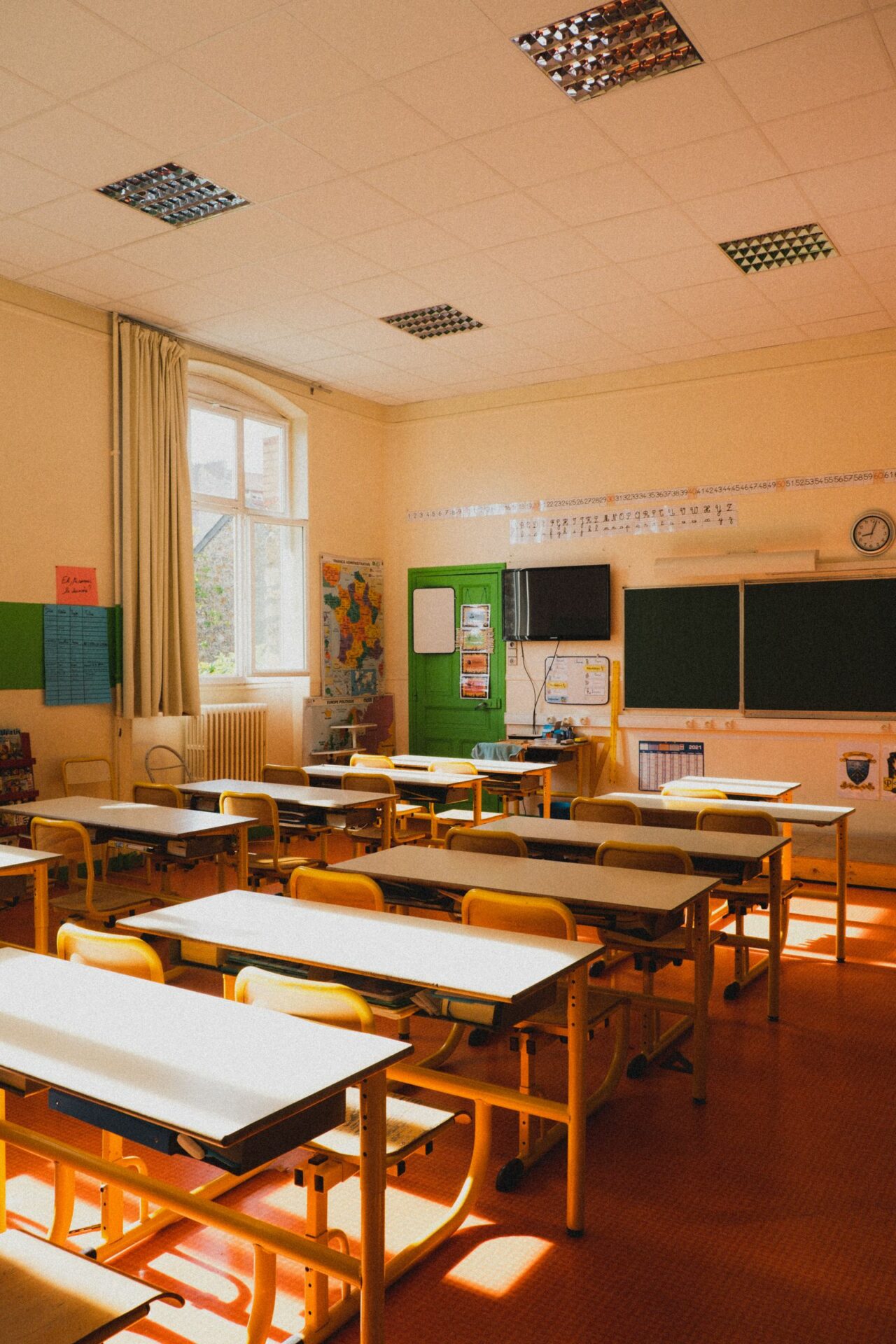
My child is a victim of racial profiling at school: what can I do?
Short answer: You have recourse, and it's free. Start by documenting the facts, then follow the three-step school complaint process that leads to Regional Student Ombudsman. In parallel — or subsequently — you can file a complaint for discrimination with the Commission for Human Rights and Youth Rights (CDPDJ), The child protection services have up to three years to receive your complaint. The law protects you and your child from retaliation. The rest of this guide explains each step, the time limits, and the mistakes to avoid.
Recognizing racial profiling in schools
Racial profiling is the act of treating someone differently—monitoring, punishing, suspecting, or excluding them—because of their skin color, ethnicity, or religion, rather than because of their actual behavior. In schools, this can take many forms: harsher disciplinary sanctions for the same action, targeted searches, comments about origin or accent, exclusion from activities, systematic placement in less demanding classes, or refusing to take reports of racially motivated bullying seriously.
Profiling is not always intentional. It can result from unconscious bias or unequally applied rules. This does not make it acceptable, however: the Charter of Human Rights and Freedoms prohibits discrimination based on race, colour, and ethnic or national origin, including in schools.
Two possible options (you can use both)
1. The school complaint procedure, This process leads to the National Student Ombudsman and their regional ombudsmen. This recourse aims to correct the situation in the school and improve services. It functions like an ombudsman: the objective is not to find someone to blame, but to resolve the problem and make recommendations to the school.
2. Filing a discrimination complaint with the CDPDJ. This legal recourse aims to have your rights violated and may lead to redress. It is separate from the school procedure and can be pursued concurrently. (See our dedicated guide on the CDPDJ.)
The steps of a school complaint, in order
The procedure includes at most three steps. We usually start with the first one.
-
Step 1 — The person concerned or their immediate superior. First, speak to the person directly involved in the situation (the teacher, supervisor, or principal) or their immediate superior. Clearly explain the problem and what corrective action you expect. The institution has a certain amount of time to respond. 10 days to process the request.
-
Step 2 — The person in charge of handling complaints. If you are not satisfied with the response, or if the 10-day deadline has not been met, contact the complaints officer at your school service centre (CSS), school board or private educational institution.
-
Step 3 — The Regional Student Ombudsman. If you remain dissatisfied, you can contact the Regional Student Ombudsman. They are independent and impartial. They will... will assist in the written drafting of your complaint and has 20 business days to review it, investigate, and issue its findings, which may include recommendations to the school or the school board. Then, the National Student Ombudsman has 5 business days to decide whether to examine the case himself; if he does, he has 10 business days Furthermore, to analyze and, if necessary, modify the conclusions.
Special case — sexual violence: a report of sexual violence can be made directly to the Regional Student Ombudsman, These cases are handled urgently and confidentially, without going through the first two steps.
How to file a school complaint
- Online form: pne.gouv.qc.ca/formulaire
- You can also choose the communication method that suits you best; the ombudsman will help you formulate the complaint in writing.
- The complaint can be filed by the student. Or by his/her parent.
The deadlines and the necessary documents
- School complaint: Step 1 must be addressed in 10 days; the Regional Protector has 20 business days for its conclusions. There is no strict limitation period like for the CDPDJ, but don't wait: acting quickly facilitates the collection of evidence.
- Complaint to the CDPDJ (discrimination): you have three years from the date of the incident. Processing a complaint takes on average 15 months.
- Documents to gather and keep:
- a log of incidents (dates, places, people present, what was said and done);
- emails and messages exchanged with the school;
- disciplinary notices, report cards or notes in the file;
- the names of the witnesses (other students, parents, staff members);
- any written evidence of different treatment between your child and other students.
Supporting your child during the process
Filing a complaint can take weeks, sometimes months. During this time, your child continues to attend school and is the one experiencing the situation every day. Take the time to explain to them, in age-appropriate language, that what is happening to them is not their fault and that adults are working to correct the situation. Reassure them that filing a complaint is a normal and legitimate action, not something to be ashamed of.
Be alert to signs of distress: loss of interest in school, falling grades, sleep problems, withdrawal. If needed, seek professional support—school support staff (psychologist, social worker, psychoeducator) can help, as can community resources. Documenting the impact on your child is also useful for your case, especially if you file a complaint with the Quebec Human Rights and Youth Rights Commission (CDPDJ).
Finally, seek out allies. Other parents may have experienced similar situations, and an outside perspective often strengthens a complaint. A community organization can connect you with these resources and provide ongoing support.
What not to do
- Don't keep anything to just speaking. After each meeting or call with the school, send a short summary email ("Following up on our conversation today..."). This creates a dated written record.
- Don't skip steps without reason. Except in cases of sexual violence, the procedure is to begin with the school. Skipping ahead to the end can delay the process. However, you can always file a complaint with the CDPDJ (Commission for the Rights and Autonomy of Persons with Disabilities) in parallel.
- Don't let the fear of retaliation stop you. The National Student Ombudsman Act protects the student, the parent and anyone accompanying or collaborating against reprisals and threats of reprisals.
- Do not underestimate the impact on your child. Take signs of distress seriously (withdrawal, falling grades, refusal to go to school) and seek support for him.
- Don't stand alone facing the establishment. You have the right to be accompanied in your dealings, and this often changes the balance of power.
- Don't forget the double recourse. The school procedure corrects the situation; the CDPDJ (Commission des droits de la personne et des droits de la jeunesse) recognizes the violation of rights. The two are complementary.
LAKAY can assist you
Defending your child before a school can be exhausting, especially in an unfamiliar system or in a language that isn't your own. LAKAY provides free and confidential support to immigrant and racialized families in Repentigny and Lanaudière. We can help you document incidents, draft your communications with the school, understand the three steps involved, complete the Student Ombudsman form, and, if necessary, prepare a complaint to the Quebec Human Rights and Youth Rights Commission (CDPDJ).
LAKAY
818 Notre-Dame Street, Suite 202, Repentigny, Quebec
Telephone: 514 532-0484
Website: lakaymedia.org
Facebook: facebook.com/lakayrepentigny
Request our rights support service.
This guide provides general information on the law in force in Quebec. It does not replace legal advice tailored to your specific situation. For advice on a specific case, consult a lawyer or contact LAKAY.

Back to school: what parents of color should know about their rights
Every back-to-school season brings its share of hopes and anxieties. For many immigrant and racialized families in Repentigny and Lanaudière, it also brings a question that shouldn't even exist: Will my child be treated fairly this year? This apprehension isn't paranoia. It's based on real, documented experiences lived by local parents. The good news is that the law is on your side, and knowing your rights makes a real difference. Here's what you need to know to get through the school year.
The fundamental right: education without discrimination
In Quebec, the Charter of Human Rights and Freedoms prohibits discrimination based on race, colour, ethnic or national origin, and religion, including in access to educational services and the way those services are delivered. In practical terms, your child has the right to learn in an environment where they are not more closely monitored, punished more severely, steered toward less demanding programs, or ridiculed because of their origin, name, accent, religion, or hair texture.
This applies to both visible actions and more subtle decisions: a disproportionate disciplinary sanction for the same behavior, a targeted search, repeated comments about origins, exclusion from an activity, or the refusal to take a report of racially motivated bullying seriously. Discrimination does not need to be intentional to be prohibited: what matters is the effect on the child.
The right to information and participation
You have the right to understand what is happening in your child's educational path and to participate in decisions that concern them. If French is not your first language, do not hesitate to request support or an interpreter at important meetings (intervention plan, disciplinary measures, referrals). A decision made without your understanding and input is a decision you can oppose.
You also have the right to consult your child's academic record, to request explanations for a grade, a suspension, or a placement, and to obtain this information in writing. Make it a habit to request important communications by email: this creates a dated record, useful if a disagreement arises.
The right to appropriate services
A newly arrived child is entitled to reception and French-language training services. A child with special needs is entitled to an assessment and an intervention plan. Beware of a common pitfall: difficulties related to learning a new language or culture shock are sometimes wrongly interpreted as behavioral or learning difficulties. You can request that an assessment take into account your child's migration and linguistic background, and request a second opinion if a classification seems unfair.
Recognizing profiling in schools
Profiling in schools rarely takes the form of an outright insult. It tends to creep in through minor infractions: two students do the same thing, only one is sent to the principal's office. A student of color is the first to be suspected when something goes missing. A child is described as "aggressive" or "intimidating" for behaviors that would be considered harmless in another. Taken individually, each incident may seem minor. It is their accumulation that reveals unequal treatment.
If you notice this pattern, trust your observation, but document it. Keep a journal: dates, specific facts, reported comments, names of people present, and especially instances where your child was treated differently from other students in similar situations. These comparisons lend weight to a complaint.
Dress codes, hair and religious symbols
A common source of tension at the start of the school year concerns appearance. Remember this principle: a dress code must apply equally to all students. If, in practice, it primarily targets certain students—for example, by prohibiting hairstyles associated with Afro hair (braids, locs, headscarves) or by deeming an outfit "inappropriate" when it is not for others—it can become discriminatory. Hair texture and style are part of one's identity, and a child should never be humiliated or punished for them.
From a religious perspective, it's important to distinguish between two things. Quebec's secularism law regulates the wearing of religious symbols by certain staff members in positions of authority—not by students. Your children retain the right to wear religious symbols at school, and the school has an obligation to provide reasonable accommodation for religious practices (for example, for certain holidays or dietary needs), as long as this does not impose undue hardship. If you are refused permission, request it in writing and bring someone with you: an unjustified refusal can be challenged.
If a situation worries you: the steps to take
If a situation concerns you, the procedure always begins with dialogue with the school, then progresses step by step.
-
Speak to the person involved or their supervisor (The teacher, then the administration). State the problem clearly and in writing, and indicate what corrective action you expect. The school has a deadline to respond.
-
Contact the complaints officer from your school service centre if the answer is not satisfactory.
-
Contact the Regional Student Ombudsman, An independent and free resource that will assist you in drafting your complaint and will make recommendations. The law protects you and your child from any retaliation for filing a complaint.
In parallel — and not instead of — you can file a complaint for discrimination with the Commission for Human Rights and Youth Rights (CDPDJ), The school board has three years from the incident to file a complaint. The school procedure aims to correct the situation on the ground; the Quebec Human Rights Commission (CDPDJ) aims to have the rights violation recognized. The two are complementary. (See our detailed guides "Racial Profiling in Schools: The Steps to Take" and "Filing a Complaint with the Human Rights Commission.")
What not to do
Don't limit your communication to verbal exchanges: a simple email summarizing each meeting is invaluable. Don't minimize your child's signs of distress (withdrawal, falling grades, refusal to go to school); take them seriously and seek support. Don't face the institution alone: you have the right to be accompanied, and this often changes the tone of the discussions. And don't give up out of discouragement—every documented situation matters, both for your child and for improving practices.
Starting the year off on the right foot
Not everything hinges on conflict. A successful start to the school year also means presenting your child to their teacher in a positive light, expressing your willingness to collaborate, and setting clear expectations from the outset. The vast majority of school staff act in good faith. Knowing your rights doesn't put you in the position of adversary; it allows you to be a clear-headed partner, capable of recognizing what's working well and what isn't, and of acting confidently when necessary.
LAKAY can assist you
LAKAY provides free and confidential support to immigrant and racialized families in Repentigny and Lanaudière. We can help you prepare for a meeting with the school, document a situation, draft your communications, understand the complaint process, and, if necessary, prepare an appeal to the Student Ombudsman or the CDPDJ (Commission des droits de la personne et des droits de la jeunesse).
LAKAY
818 Notre-Dame Street, Suite 202, Repentigny, Quebec
Telephone: 514 532-0484
Website: lakaymedia.org
Facebook: facebook.com/lakayrepentigny
Request our rights support service.
This text provides general information on the law in force in Quebec. It does not replace legal advice tailored to your specific situation.
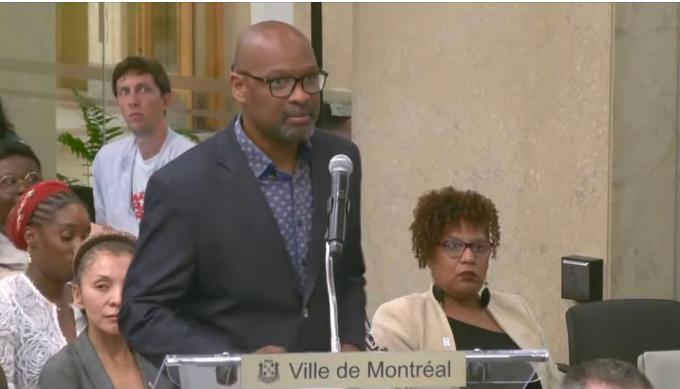
Racial profiling: LAKAY calls for a moratorium on arrests
During the meeting of the Public Safety Committee, held in Montreal on August 11, the director of LAKAY made a clear request: that the Montreal Police Service (SPVM) implement the only recommendation made by the experts which explicitly calls for a moratorium on police stops.
For LAKAY, racial profiling doesn't necessarily begin with an arrest. It can start with a simple question: "Where are you going?", "What are you doing here?", or "Why are you here?". These interventions, when they disproportionately target certain communities, can contribute to creating a climate of mistrust and insecurity.
In Montreal, but also in Repentigny, Terrebonne and several other communities in Quebec, racialized people continue to face the consequences of racial profiling and discriminatory police practices.
LAKAY believes it is now time to move from commitments to concrete actions. A moratorium on police stops must be accompanied by a review of police practices, transparent accountability, and measures aimed at sustainably restoring trust between communities and police services.
Racial profiling is not just a Montreal issue. It is a problem that concerns all of Quebec and requires a province-wide response.
LAKAY therefore reiterates its demand: a moratorium on police stops throughout Quebec.
Also read: Report: Municipal inaction in the face of racial profiling in Repentigny (2017-2021).
LAKAY
818 Notre-Dame Street, Suite 202, Repentigny, Quebec
Telephone: 514 532-0484
E-mail : info@lakay.quebec
Website: lakaymedia.org

LAKAY congratulates Glenn Dubé, the new chief of the Atikamekw Council of Manawan
PRESS RELEASE — FOR IMMEDIATE RELEASE
Repentigny, August 14, 2026 — LAKAY extends its sincerest congratulations to Mr. Glenn Dubé, elected Chief of the Atikamekw Council of Manawan for a four-year term. LAKAY also congratulates the six elected councillors — Mario Ottawa, Jean-Roch Ottawa, Patrice Ottawa, Paul-Émile Ottawa, Claudia Newashish and Ghislain Quitich — and commends the work of outgoing Chief Sipi Flamand.
This election comes just days after a significant meeting between our two communities. The 1er Last August, LAKAY accompanied a group of 150 people from the Black community of Lanaudière and the greater Montreal area to Manawan. The day, which included welcoming them, discussions, a dinner to foster connections, and a drumming workshop, helped to forge genuine bonds between the Atikamekw Nation and the Afro-descendant communities.
«We were received in Manawan with a generosity we will not forget. What began on the 1ster "August was not a one-off visit, but the beginning of a relationship," says Pierre Richard Thomas, Executive Director of LAKAY. "We are extending a hand to Chief Dubé and his council, and we intend to work with them."»
LAKAY intends to pursue this rapprochement through joint activities, inter-community exchanges and the establishment of a lasting memorandum of understanding between the two communities.
Also read: A successful solidarity visit between the Black community and the Atikamekw Nation of Manawan.
LAKAY
818 Notre-Dame Street, Suite 202, Repentigny, Quebec
Telephone: 514 532-0484
E-mail : info@lakay.quebec
Website: lakaymedia.org
-30-
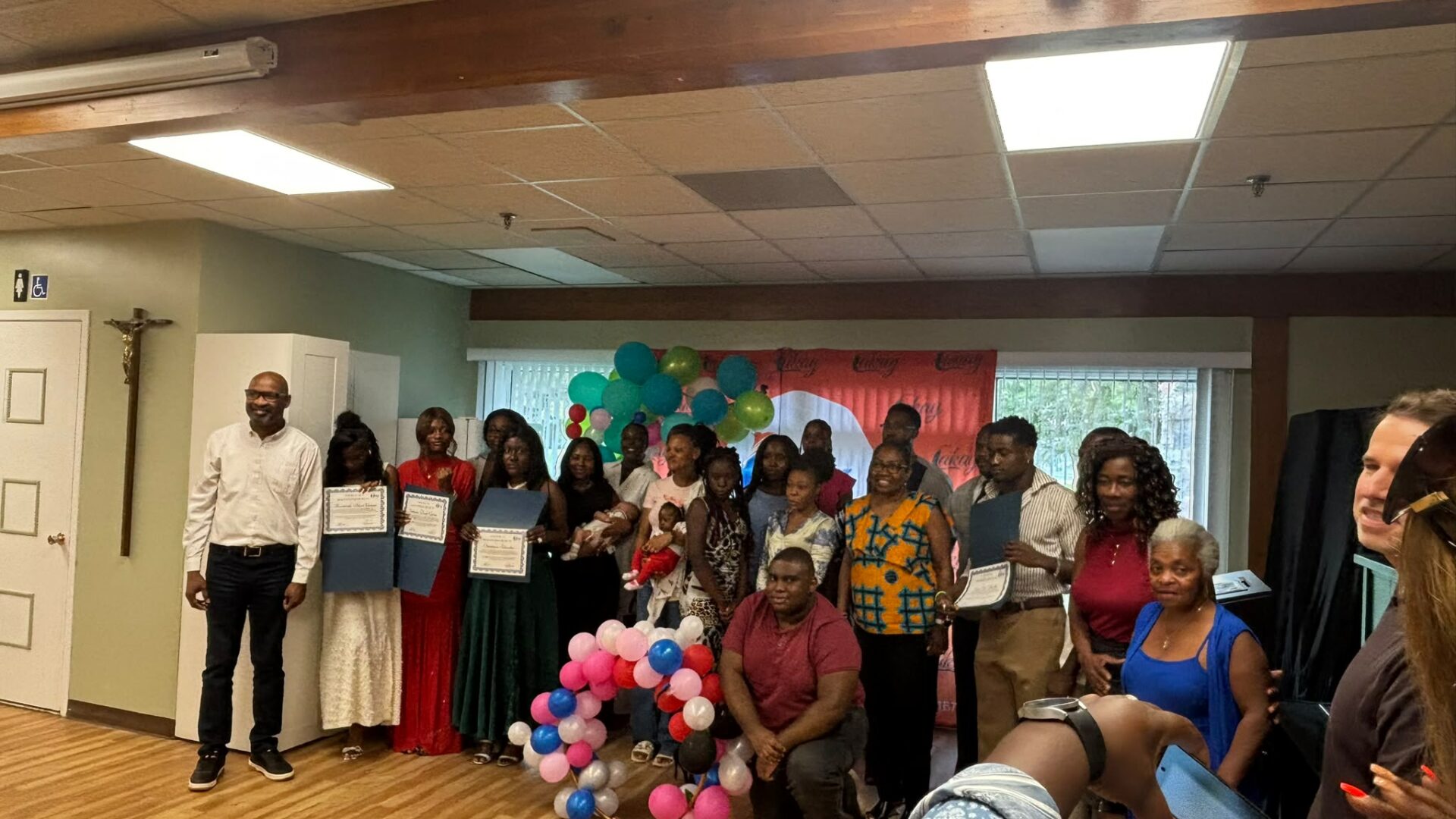
The young people of the third cohort of the PIEJ receive their certificate
A new milestone reached for the young people of the LAKAY Youth Integration and Engagement Programme (PIEJ).
Today, LAKAY was pleased to celebrate the success of the young people of the third cohort of the PIEJ program, who received their certificate after a six-month course combining training and professional experience.
For the first three months, participants underwent training designed to develop their personal and professional skills and prepare them for the job market. This period allowed them to acquire new knowledge, boost their confidence, and better prepare for the demands of the professional world.
The following three months were dedicated to internships in various businesses and organizations within the community. This experience allowed them to put their learning into practice, to discover the world of work firsthand, and to develop new professional skills.
LAKAY would like to warmly congratulate all the young people for their perseverance, commitment and efforts throughout their journey.
We would also like to sincerely thank the employers and mentors who agreed to support the participants. Their availability, guidance, and trust played a vital role in the success of this cohort. By opening their doors to young people, they are making a tangible contribution to fostering their professional integration and creating new opportunities.
The PIEJ is part of LAKAY's commitment to helping reduce the obstacles that some young people, particularly those from Black and racialized communities, may face in their journey to employment.
The next cohort of the PIEJ program will begin at the start of September. This is another opportunity for young people to develop their skills, gain professional experience, and build their future.

How to file a complaint against a police officer in Quebec?
Short answer: If a police officer has failed in their duty — abuse of power, derogatory language, excessive force, profiling — you can file a written complaint at the Police Ethics Commissioner, free of charge, within a period of'one year After the event, you can file a complaint online, by mail, in person, or through a police station. A community organization like LAKAY can help you draft your complaint. The rest of this guide explains which recourse to choose, how to file, what happens next, and mistakes to avoid.
Who to contact? Three different options
Before filing a complaint, you need to know which organization to go to, because they do not all deal with the same things.
1. The Commissioner for Police Ethics. This is the primary recourse for police misconduct. The Commissioner applies the Code of Ethics for Police Officers of Quebec. He deals with misconduct such as abuse of authority, disrespect, unjustified violence, discriminatory remarks, and unlawful searches or detentions. He also covers wildlife protection officers, special constables, highway patrol officers, and UPAC investigators.
2. The Bureau of Independent Investigations (BEI). He intervenes in serious cases: when a person dies or suffers serious injury during a police intervention, or when a police officer is alleged to have committed a sexual offence. In these situations, the matter is not referred to the Commissioner first.
3. The police service itself. If your dissatisfaction relates to the quality of service (for example an unreasonable delay, an internal policy) rather than on a breach of ethics, you should contact the relevant police department directly.
The rest of this guide deals with the most common recourse: the complaint regarding police ethics.
The steps, in order
-
Make sure your situation falls within the framework. The complaint must target a police officer acting in the course of their duties and concern an act contrary to the Code of Ethics. You can file a complaint if you were a victim or witness to such an act.
-
Gather your information. Write a clear account: the date, time, place, what happened, what was said, the name or badge number of the police officers if you have it, the patrol car number, and the names of any witnesses. Don't wait: details fade quickly from memory.
-
Write down the complaint. The complaint must be submitted in writing. You have several options:
- fill the online form directly on the Commissioner's website;
- download the PDF form, print it and fill it in;
- take a telephone appointment to fill it out with a staff member, or submit it orally in certain situations.
-
File the complaint. You can forward it:
- directly to the Commissioner (online, by mail, or in person at his offices in Quebec City or Montreal);
- through any police station, from a roadside checkpoint or an SAAQ service centre, which must then forward it to the Commissioner within five days.
It is generally preferable to file directly with the Commissioner.
-
The Commissioner is reviewing your complaint. He decides whether to retain it. Depending on the nature of the case, he may propose the conciliation between you and the police officer, open a investigation, or reject the complaint and explain why.
-
Monitoring and decision-making. If your complaint is rejected, the Commissioner will send you a summary of the report and inform you of your right to request a review before the Administrative tribunal of police ethics. If the situation warrants it, he can summon the police officer before this court, or forward the file to the Director of Criminal and Penal Prosecutions (DPCP) when a criminal offence is involved.
Mediation or investigation: what to expect
Once your complaint is accepted, the Commissioner generally chooses between two courses of action. conciliation This is a structured meeting between you and the police officer, facilitated by a neutral mediator, with the aim of reaching an agreement. It is often offered for minor infractions. You are not obligated to accept an agreement that does not suit you, and the mediation remains confidential.'investigation, This procedure is preferred for more serious situations: the Commissioner gathers testimonies and evidence, then decides whether to summon the police officer before the Administrative Tribunal of Police Ethics.
It's normal for the process to take time and for you to be asked for clarification along the way. Keep a copy of everything you send and note the dates of your correspondence with the Commissioner. If you change your address or phone number during the process, notify them so you don't miss any important communications.
The deadlines and the necessary documents
- Deadline for filing: one year from the date of the event, or the date you became aware that it was a reason for a complaint. Do not exceed this time limit.
- If your complaint goes through a police station: this one has five days to send a copy to the Commissioner.
- Documents and useful items to attach or keep:
- your written account, as precise as possible;
- any statement of offence or document issued by the police;
- your photos, videos or recordings;
- a medical report if you have been injured;
- the contact details of the witnesses;
- the name or identification number of the police officers and the patrol car number, if you have them (not essential to file a complaint, but useful).
Contact information for the Police Ethics Commissioner
- Montreal: 514 864-1784
- Quebec: 418 643-7897
- Free of charge (other regions): 1 877 237-7897
- E-mail : deontologie-policiere.quebec@comdp.gouv.qc.ca
- Website and forms: deontologie-policiere.gouv.qc.ca
Staff are available Monday to Friday, from 8:30 a.m. to 12:00 p.m. and from 1:00 p.m. to 4:30 p.m.
What not to do
- Don't let the one-year deadline pass. This is the most frequent and most damaging mistake. A complaint filed too late may be rejected.
- Do not file a vague complaint. «"The police officer was unpleasant" without details is difficult to address. Be specific about the facts, dates, and what was said.
- Do not destroy any evidence and do not modify your recordings or notes.
- Don't contact the wrong organization. A complaint about service quality sent to the Commissioner, or a case of serious injury that should go to the BEI, risks being redirected and wasting time. If in doubt, seek assistance.
- Don't give up because the process seems intimidating. You do not have to do everything alone: the Commissioner's staff can help you with the writing, and so can a community organization.
- If you face criminal charges related to the event, Speak to a lawyer before filing your complaint, to coordinate the two steps.
LAKAY can assist you
Filing a complaint against a police officer can seem daunting, especially when you feel isolated or fear reprisals. LAKAY provides free and confidential support to immigrants and racialized people in Repentigny and Lanaudière. We can help you document the facts, choose the right legal recourse, complete the form, and refer you to a lawyer if needed. The law protects you against reprisals for filing a complaint.
LAKAY
818 Notre-Dame Street, Suite 202, Repentigny, Quebec
Telephone: 514 532-0484
Website: lakaymedia.org
Facebook: facebook.com/lakayrepentigny
Request our rights support service.
This guide provides general information on the law in force in Quebec. It does not replace legal advice tailored to your specific situation. For advice on a specific case, consult a lawyer or contact LAKAY.